
Our Series on Unique Austrian Places
Austrian Explorer
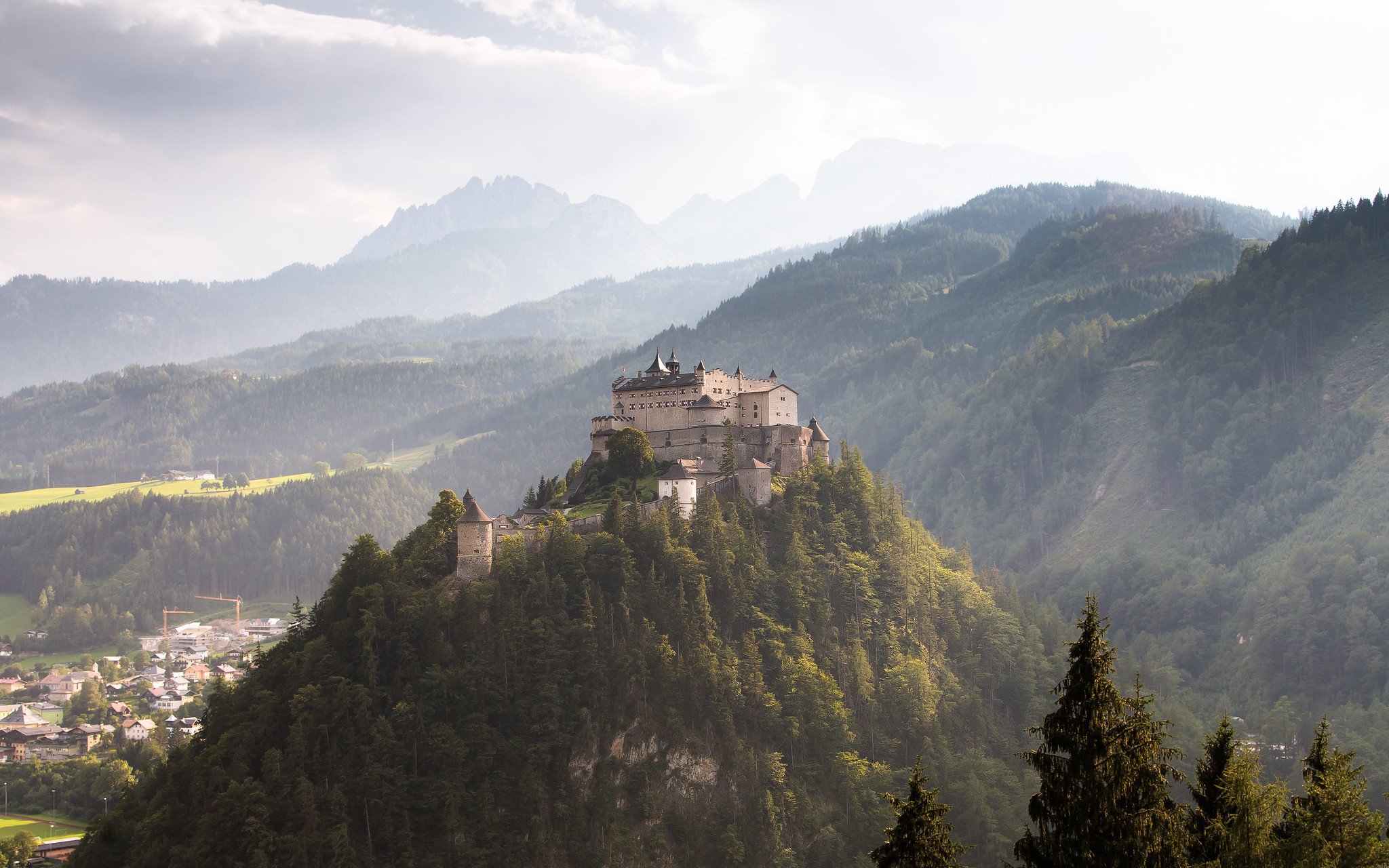
Hohenwerfen
For this #WahrzeichenWednesday we're headed back to the federal province of Salzburg. About 25 miles south of the city of Salzburg, the Hohenwerfen castle overlooks the town of Werfen, nestled between the Berchtesgaden Alps and the Tennen mountains. Like the Hohensalzburg fortress, the Hohenwerfen castle was built in the 11th century by the bishops of #Salzburg. This #Wahrzeichen is reachable by train in about an hour from Salzburg to the town of Werfen.
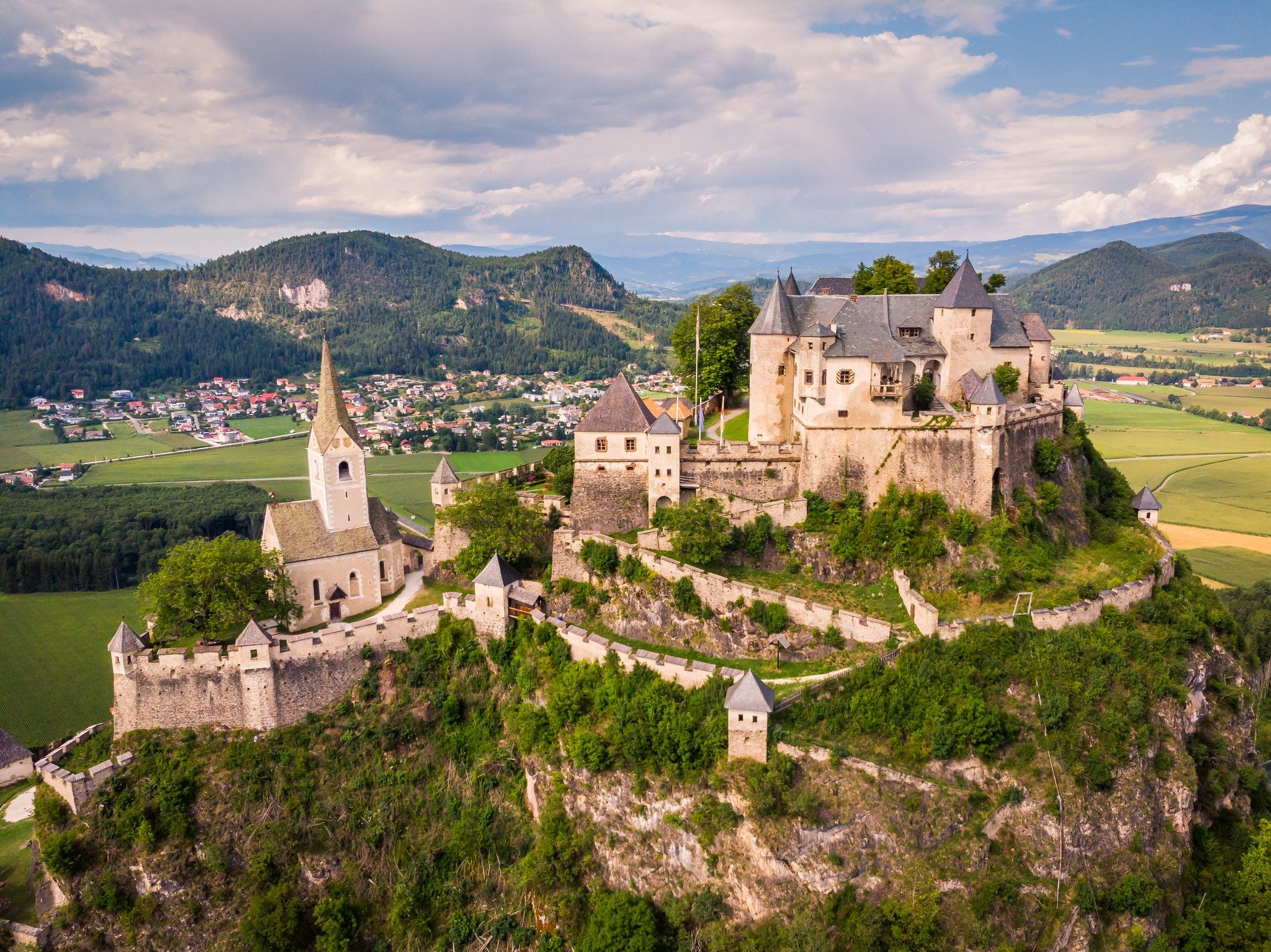
Burg Hochosterwitz
For this #WahrzeichenWednesday we're headed back to Carinthia #Kärnten for the second round of our series. Today we are highlighting Burg Hochosterwitz, a castle in Launsdorf, Austria.
The first documented mention of the castle is from 860, but it is almost certainly older than that. After falling to the Carinthian nobleman Georg Khevenhüller in 1571, the castle was expanded and renovated by Italian Renaissance architect Domenico dell'Allio, bringing it to its current form. The castle has remained in the Khevenhüller family ever since and represents a major tourist attraction and #Wahrzeichen in Carinthia.
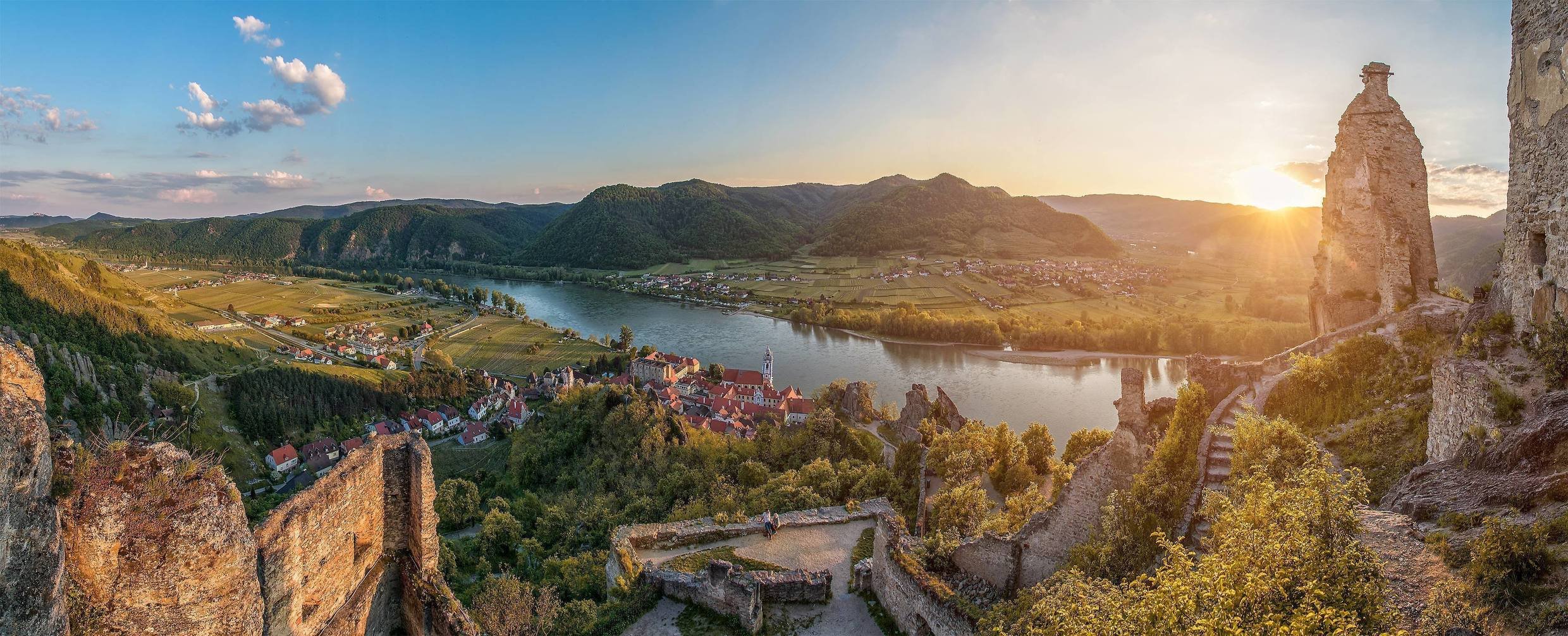
Burgruine Dürnstein
It's #WahrzeichenWednesday again and today we're completing the first round of the series with a trip to #Dürnstein in Austria's ninth federal state of Lower Austria #Niederösterreich. Located in the #Wachau, a stretch of Danube river valley designated by #UNESCO as a World Cultural Landscape, Dürnstein is known for its wine #Weinberge, the iconic, blue Dürnstein Abbey, and the ruins of the Dürnstein castle that overlooks the city below.
In fact, the city derives its name from the castle, which was named after the "dry stone" (German dürr + Stein) on which it was built around 1150. Dürnstein remains perhaps most famous for what happened about 42 years later in 1192 when King Richard of England, the Lionheart, was captured by Duke Leopold V of Austria on Richard's return from the Third Crusade. Duke Leopold V held King Richard for four months in Dürnstein castle, for which Leopold V was later excommunicated by Pope Celestine III for imprisoning a fellow crusader.