Our Series on Unique Austrian Places
Austrian Explorer
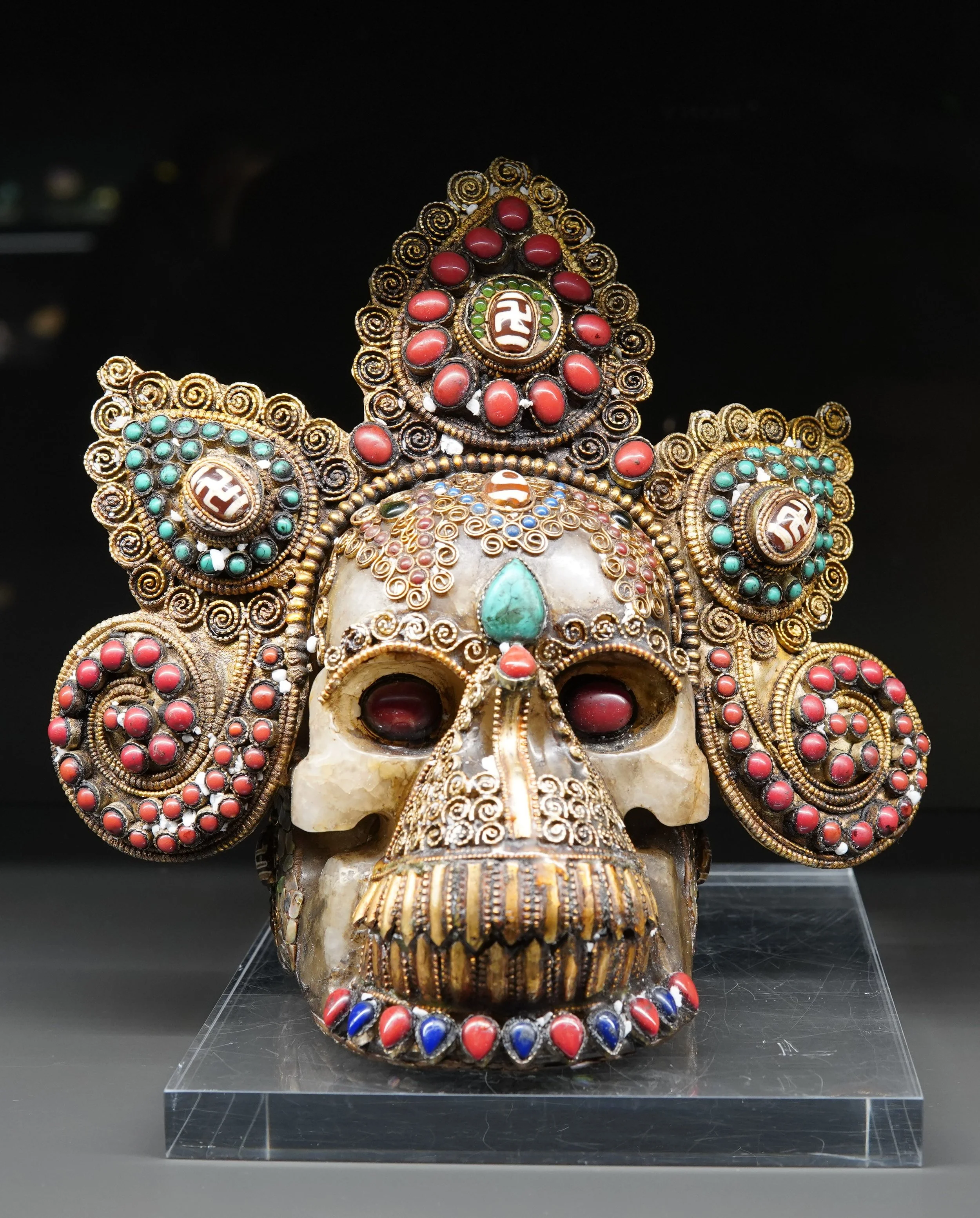
Amethyst Welt Maissau
Amethyst Welt Maissau in Lower Austria invites visitors into a fascinating underground world above the largest known amethyst vein on Earth. Blending geology, history, and myth, the site offers a unique experience where visitors can explore shimmering crystal formations, discover minerals from around the world, and engage in hands-on activities for all ages.
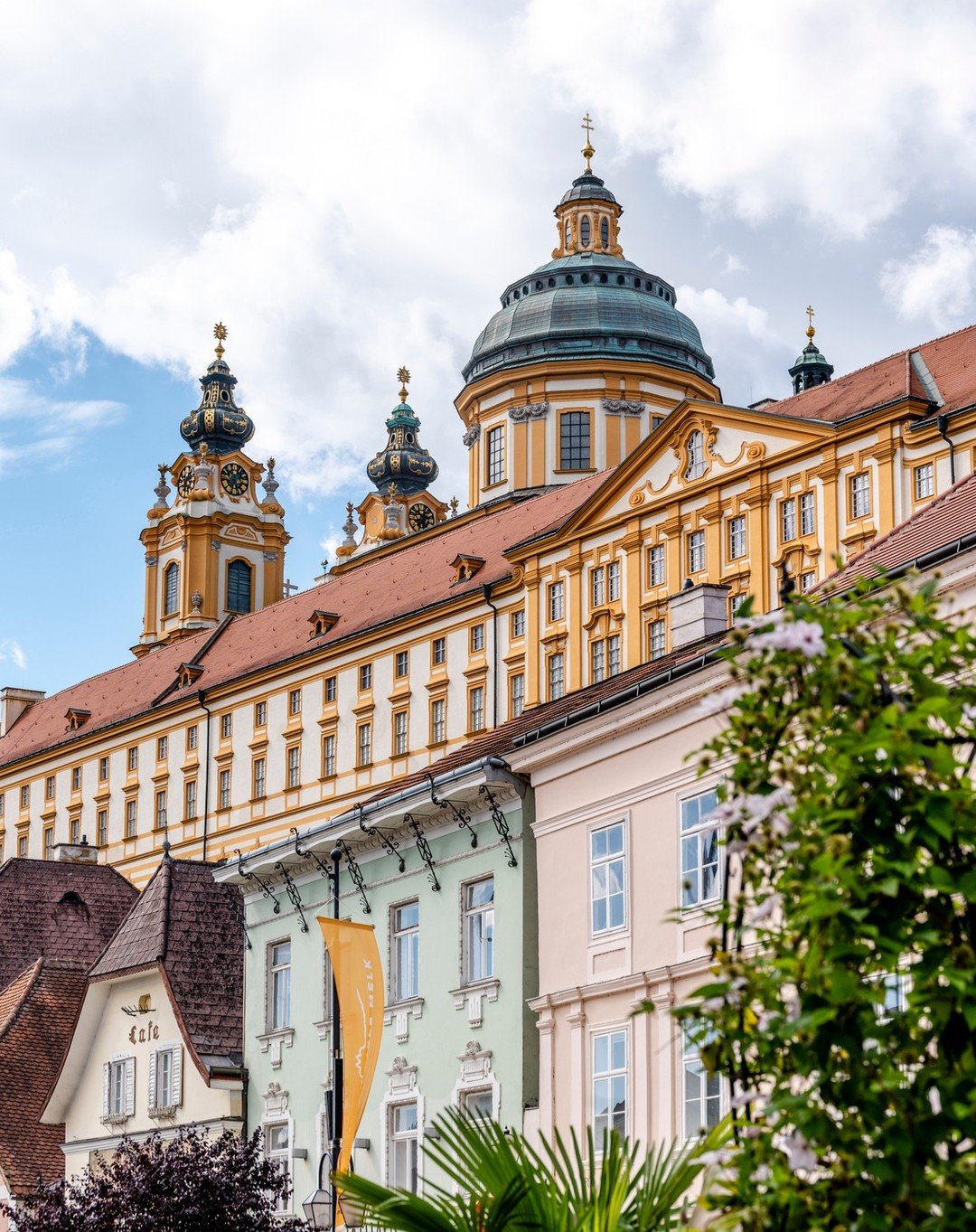
Melk Abbey
Situated on a hillside above the Danube river in the UNESCO World Cultural Heritage Wachau region of Austria, the Melk abbey was founded in 1089. The abbey has had a writing room and documented monastic school since 1160. The monastic school was later converted into a contemporary Gymnasium (university preparatory high school) in 1707, making it the oldest continually operating school in Austria today. In fact, it is one of the oldest continually operating schools in the world.
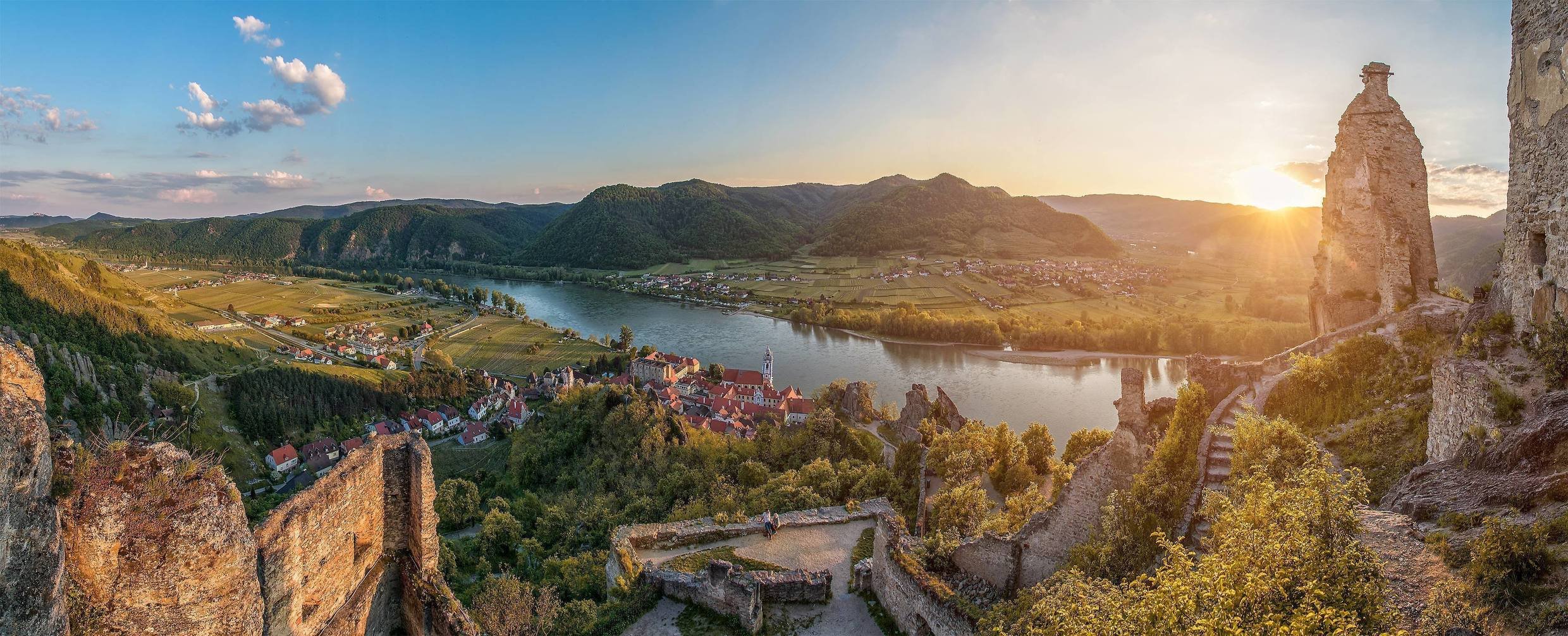
Burgruine Dürnstein
It's #WahrzeichenWednesday again and today we're completing the first round of the series with a trip to #Dürnstein in Austria's ninth federal state of Lower Austria #Niederösterreich. Located in the #Wachau, a stretch of Danube river valley designated by #UNESCO as a World Cultural Landscape, Dürnstein is known for its wine #Weinberge, the iconic, blue Dürnstein Abbey, and the ruins of the Dürnstein castle that overlooks the city below.
In fact, the city derives its name from the castle, which was named after the "dry stone" (German dürr + Stein) on which it was built around 1150. Dürnstein remains perhaps most famous for what happened about 42 years later in 1192 when King Richard of England, the Lionheart, was captured by Duke Leopold V of Austria on Richard's return from the Third Crusade. Duke Leopold V held King Richard for four months in Dürnstein castle, for which Leopold V was later excommunicated by Pope Celestine III for imprisoning a fellow crusader.