Our Series on Unique Austrian Places
Austrian Explorer
Amethyst Welt Maissau
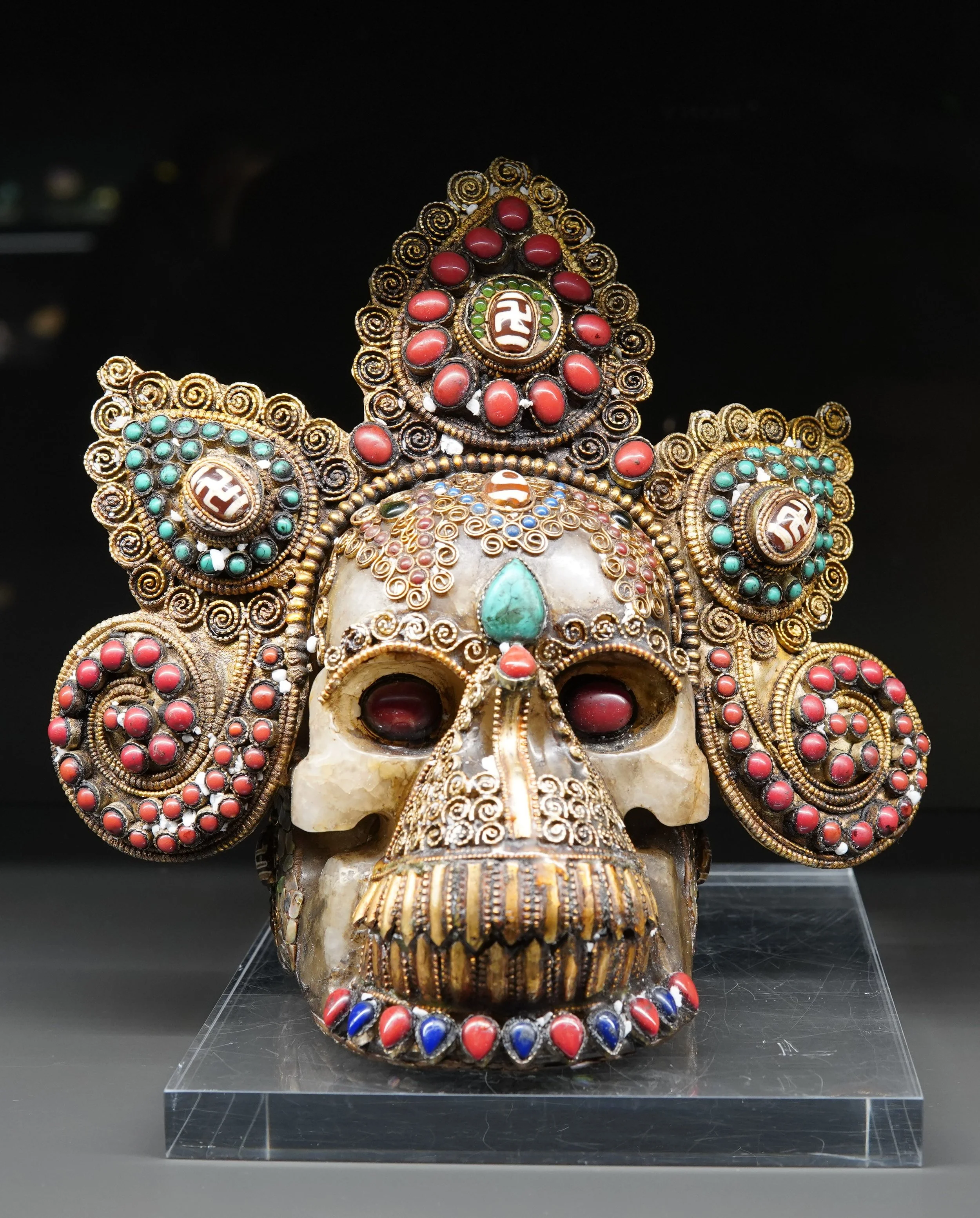
Amethyst Welt Maissau in Lower Austria invites visitors into a fascinating underground world above the largest known amethyst vein on Earth. Blending geology, history, and myth, the site offers a unique experience where visitors can explore shimmering crystal formations, discover minerals from around the world, and engage in hands-on activities for all ages.
Melk Abbey
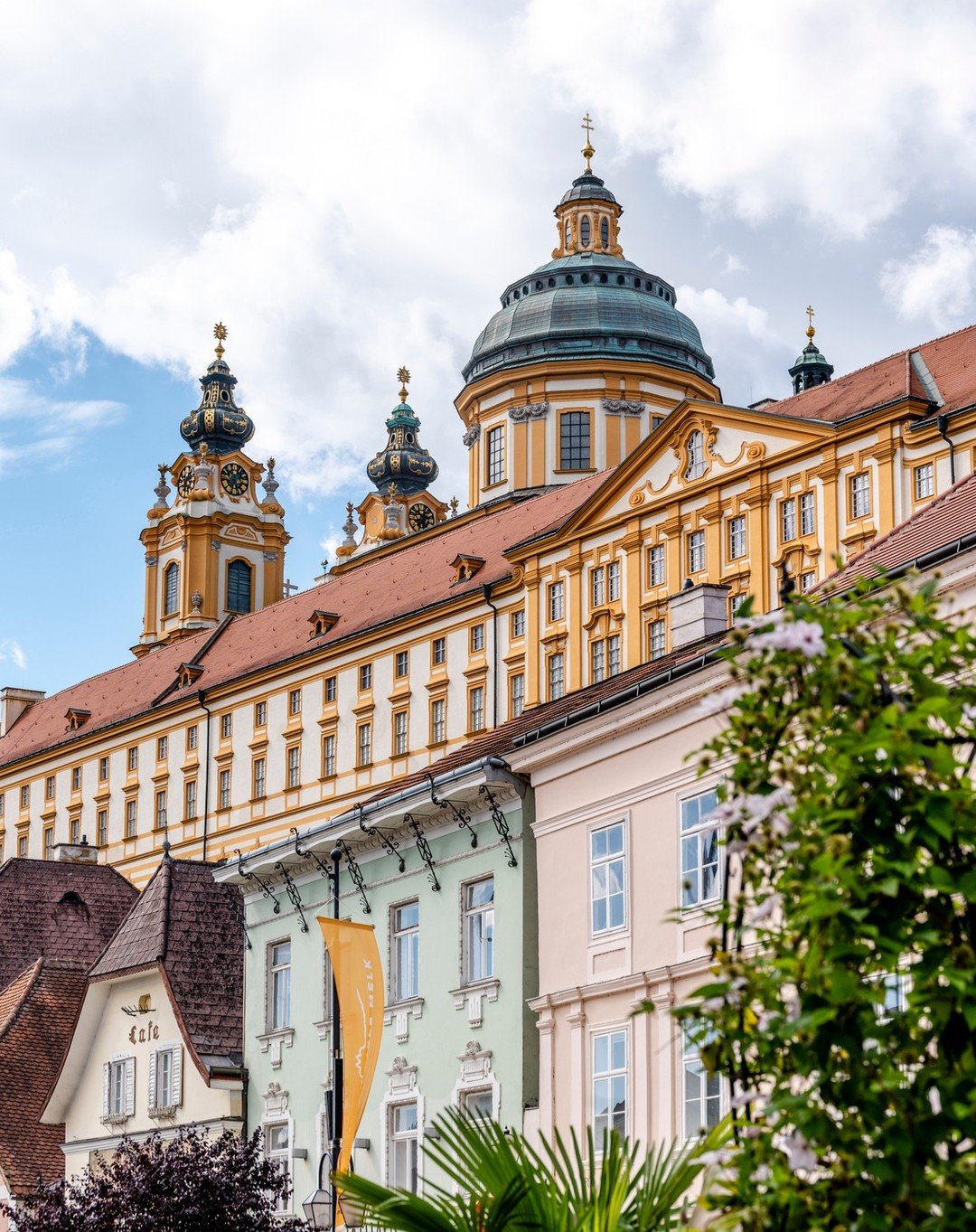
Situated on a hillside above the Danube river in the UNESCO World Cultural Heritage Wachau region of Austria, the Melk abbey was founded in 1089. The abbey has had a writing room and documented monastic school since 1160. The monastic school was later converted into a contemporary Gymnasium (university preparatory high school) in 1707, making it the oldest continually operating school in Austria today. In fact, it is one of the oldest continually operating schools in the world.
Hohenwerfen
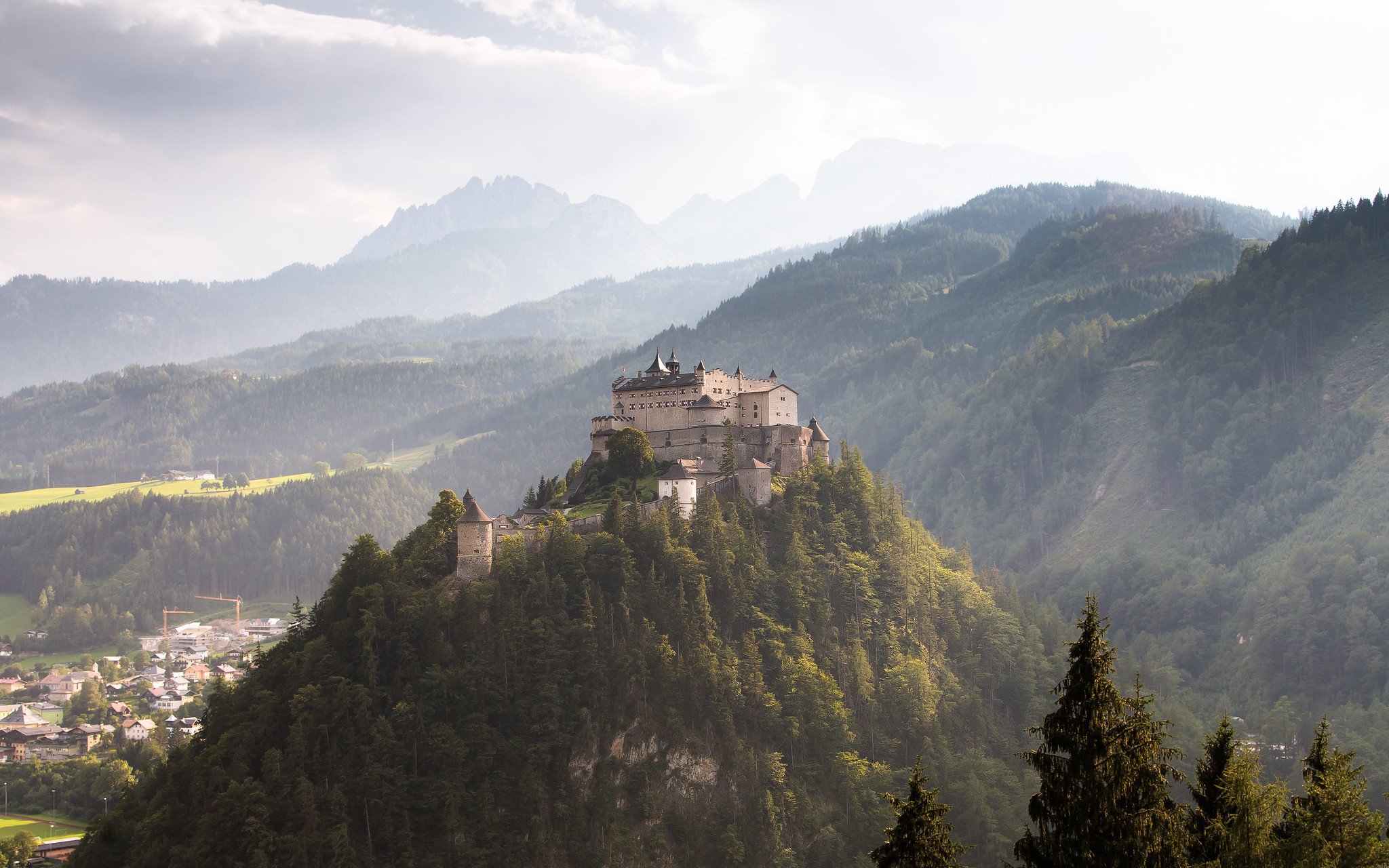
For this #WahrzeichenWednesday we're headed back to the federal province of Salzburg. About 25 miles south of the city of Salzburg, the Hohenwerfen castle overlooks the town of Werfen, nestled between the Berchtesgaden Alps and the Tennen mountains. Like the Hohensalzburg fortress, the Hohenwerfen castle was built in the 11th century by the bishops of #Salzburg. This #Wahrzeichen is reachable by train in about an hour from Salzburg to the town of Werfen.
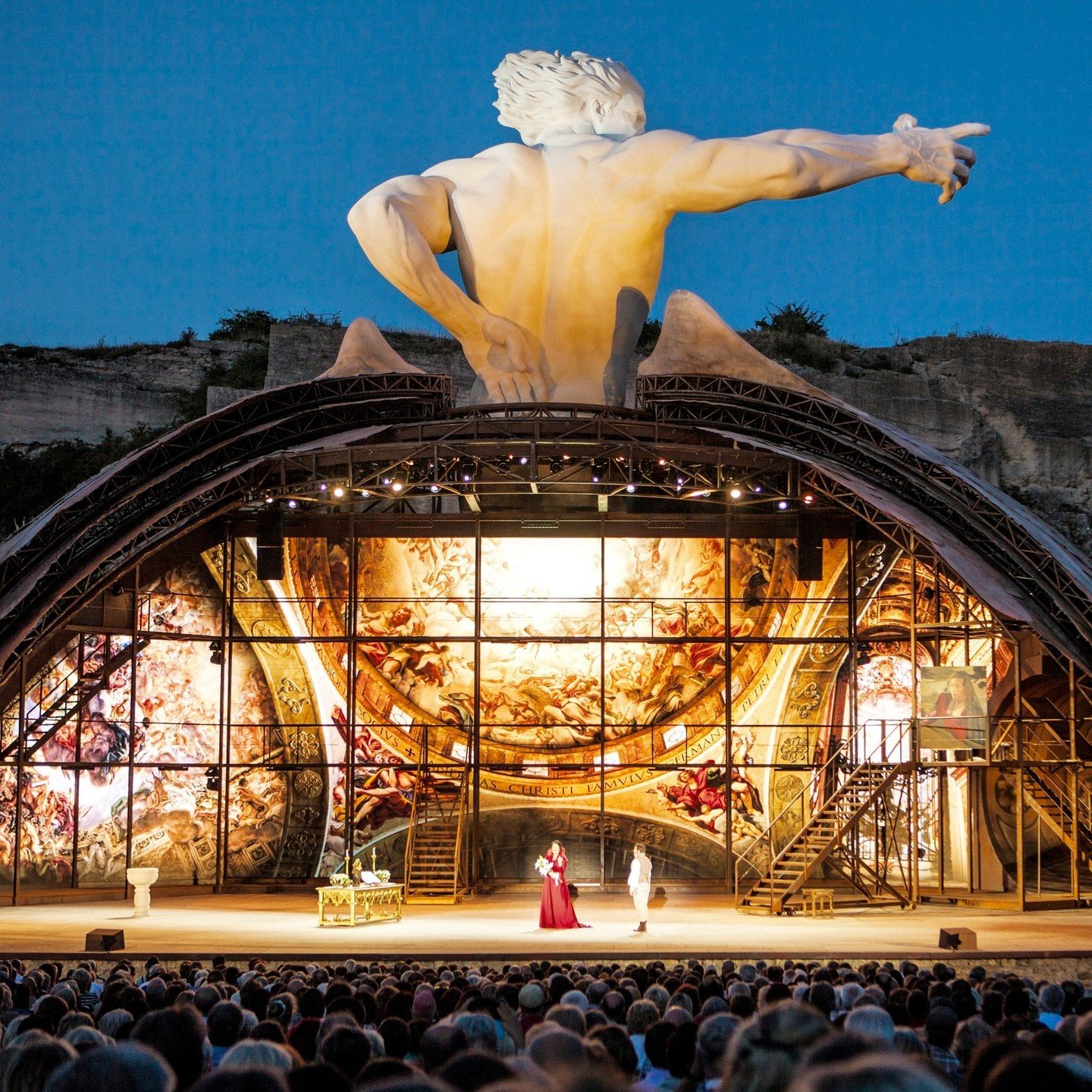
Oper im Steinbruch
For this week's #WahrzeichenWednesday we're back in #Burgenland! This time we are highlighting an old Roman quarry in Sankt Margarethen that has been transformed into a unique event space. During the summer, the #OperimSteinbruch open-air festival hosts operas and concerts that are known for their remarkable integration of elaborate set design into the surrounding nature.
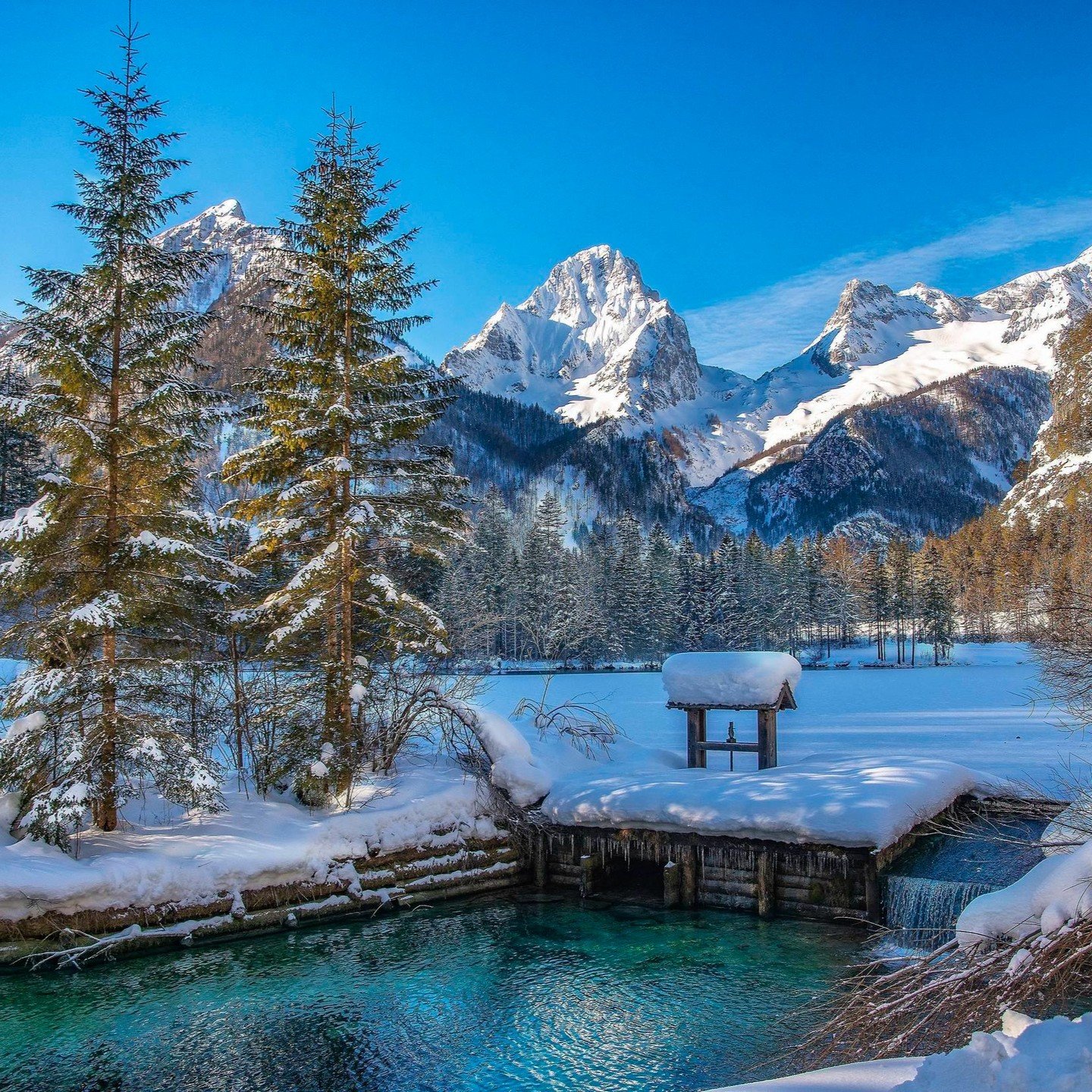
Schiederweiher in Hinterstoder
It's #WahrzeichenWednesday again and this week we are headed to #Oberösterreich. Pictured here is the Schiederweiher pond in Hinterstoder with the Spitzmauer and Großen Priel mountains in the background. Known as the pearl of the Stoder valley, it was voted as the most beautiful place in Austria on the 2018 season of Austrian public broadcaster ORF's series "9 Plätze - 9 Schätze." The approximately 5 acre lake was actually constructed as an artificial pond by Hofbaumeister Johann Schieder between 1897 and 1902. It is only about 5 feet deep.
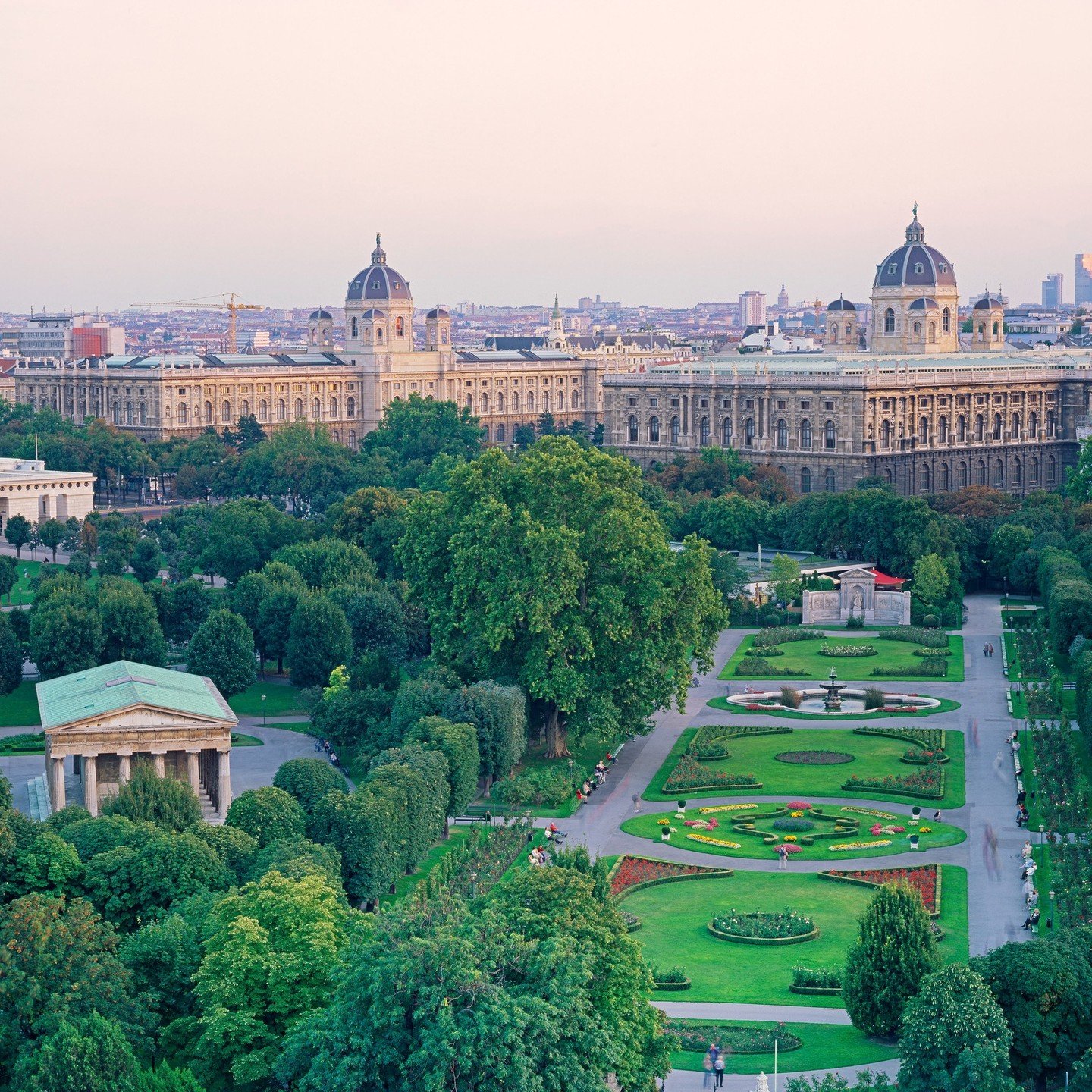
The Volksgarten in Vienna
For this #WahrzeichenWednesday we're back in Vienna. This week we are featuring the Volksgarten or "People's Garden." Built on the ruins of a portion of city wall destroyed by Napoleon's troops in 1809, the park was originally designed as a private garden for the archduke. In the end, however, it opened in 1823 as the first public park owned by the imperial court. And it has remained a public park ever since.
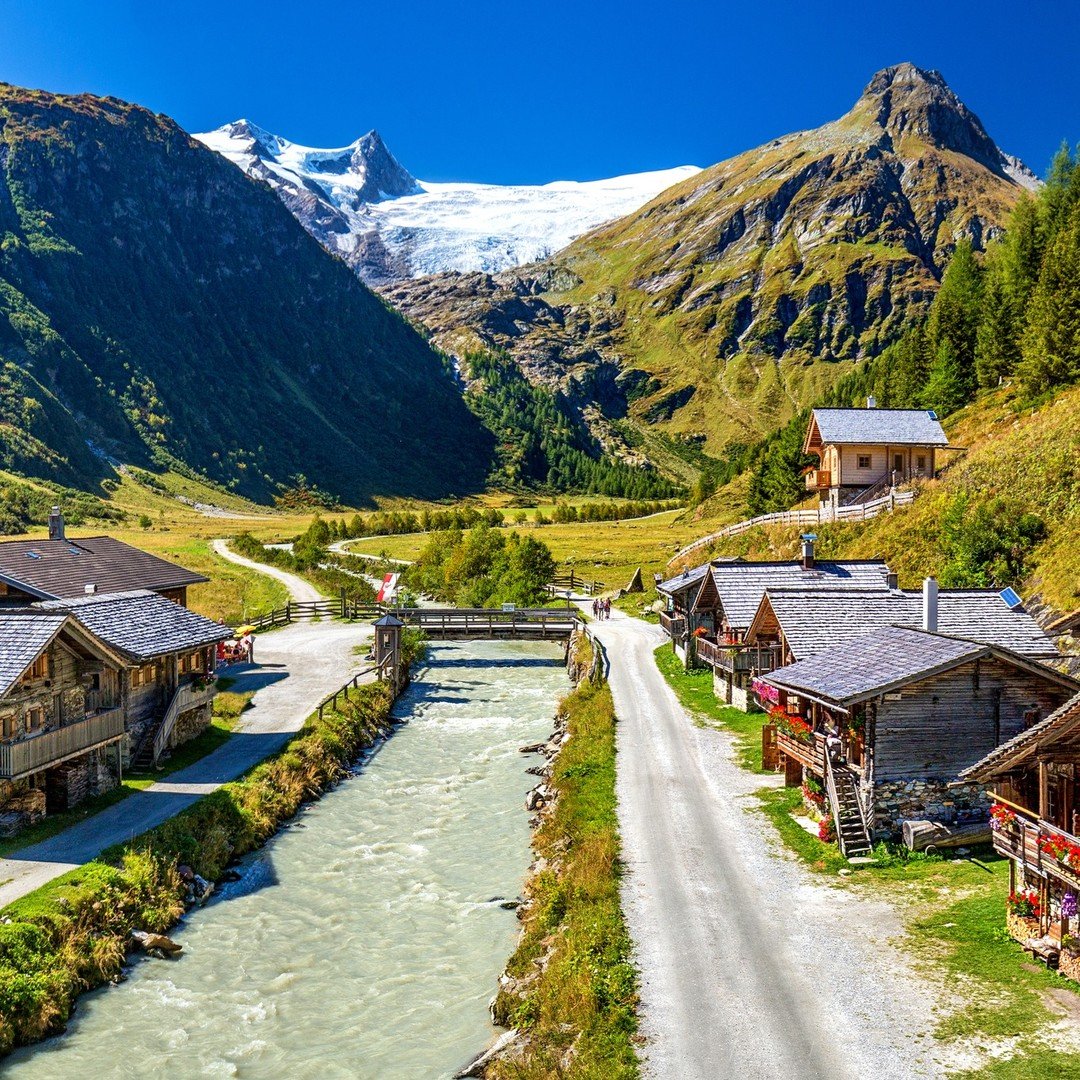
Felsenkapelle Gschlößtal
For this week's #WahrzeichenWednesday we are heading back to Tyrol, specifically the Gschlößtal valley in the somewhat isolated and difficult-to-reach #Osttirol region. The Gschlössbach river (pictured here) runs through the valley between the alpine villages #Almsiedlungen Innergschlöß and Außergschlöß.
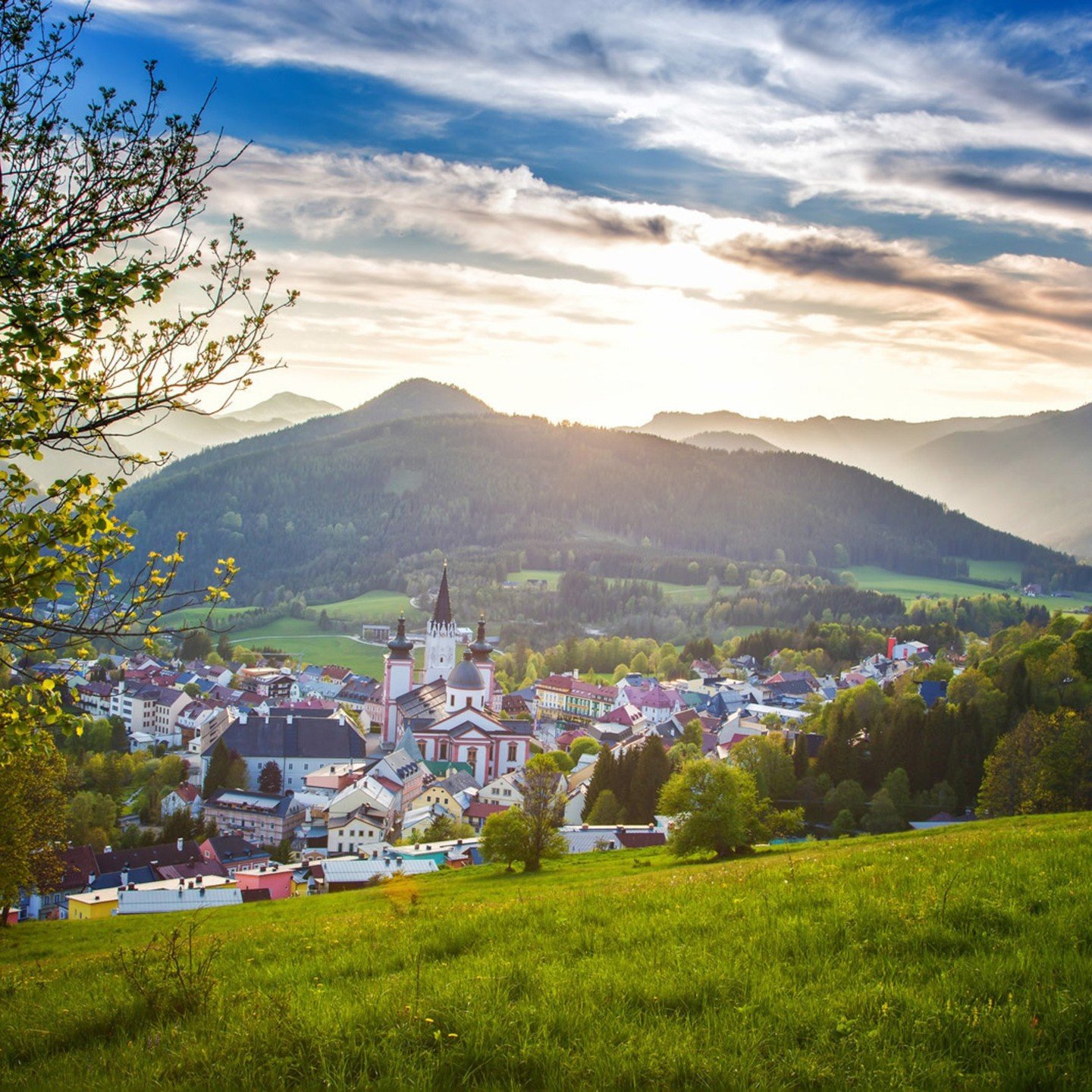
Mariazell
For this #WahrzeichenWednesday, we’re headed back to to Styria #Steiermark for a visit to the beautiful alpine village of #Mariazell. Although a small town of only 3600 residents, Mariazell draws in over 1.5 million visitors as major pilgrimage destination for Catholics across Central Europe and the world. It is the most significant pilgrimage site in Austria with one of the most significant Marian shrines in Europe. During the Counter-Reformation, the Habsburgs made Mariazell the spiritual center of the empire with Emperor Leopold I encouraging pilgrimages and proclaiming Mariazell to be the empire’s sole “national shrine.”
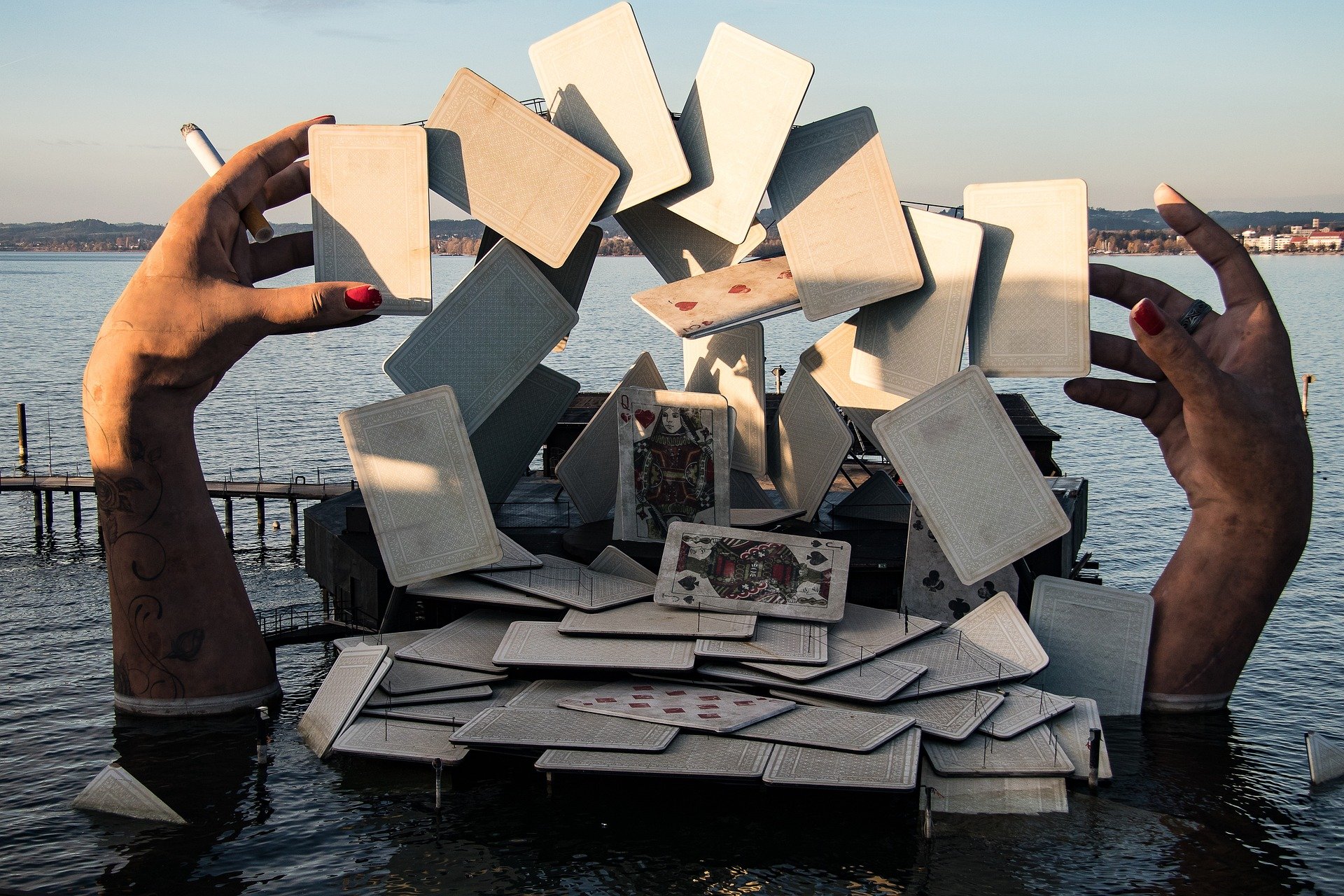
Bregenzer Festspiele
For this #WahrzeichenWednesday we're returning to #Vorarlberg for the Bregenzer Festspiele. Taking place in Bregenz, the capital of the Austrian province of Vorarlberg, the stages for the festival are built directly on Lake Constance #Bodensee, a lake shared by Austria, Germany, and Switzerland. The performing arts festival is particularly famous for its colossal, floating stages and extravagant and creative sets.
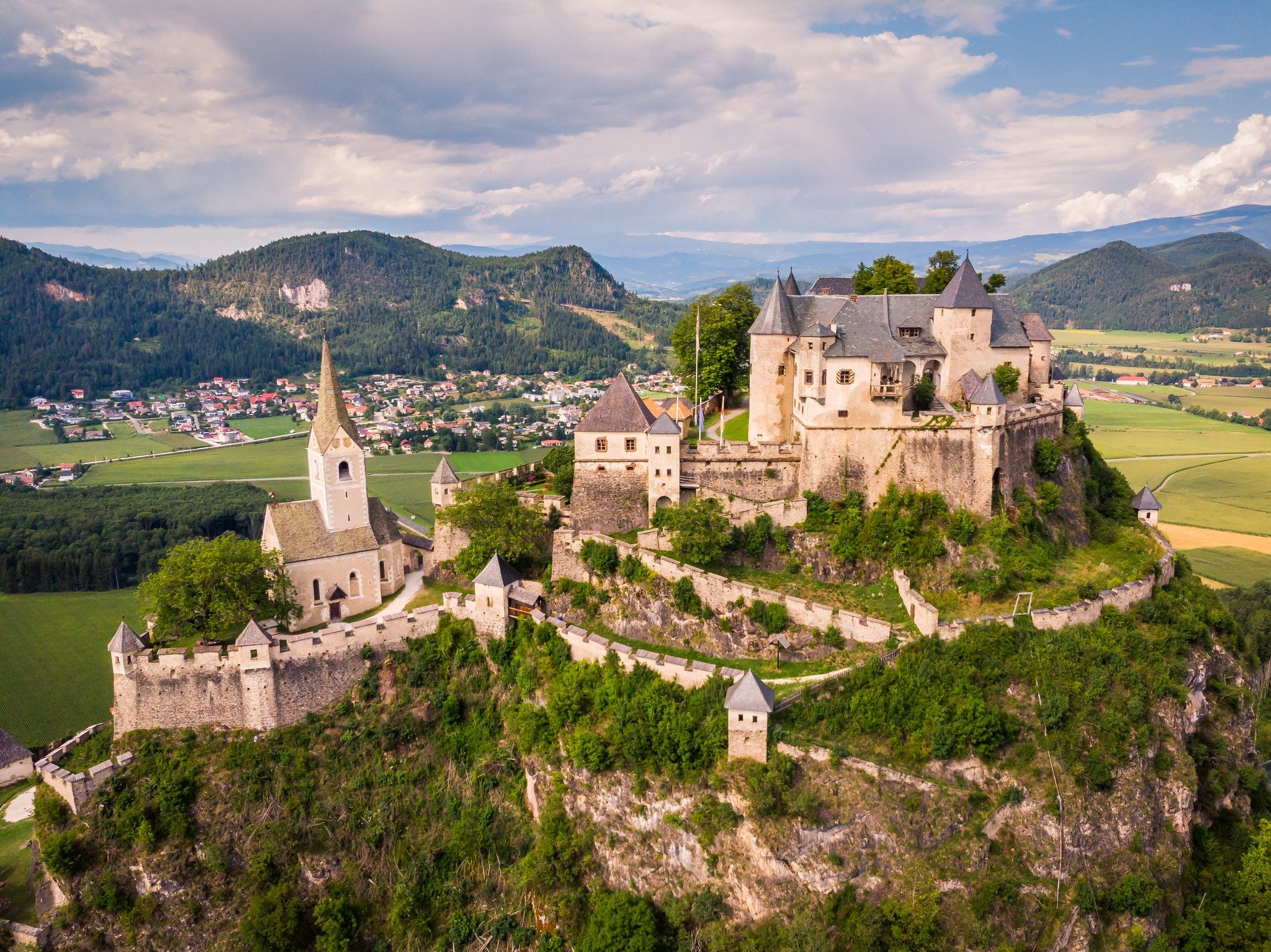
Burg Hochosterwitz
For this #WahrzeichenWednesday we're headed back to Carinthia #Kärnten for the second round of our series. Today we are highlighting Burg Hochosterwitz, a castle in Launsdorf, Austria.
The first documented mention of the castle is from 860, but it is almost certainly older than that. After falling to the Carinthian nobleman Georg Khevenhüller in 1571, the castle was expanded and renovated by Italian Renaissance architect Domenico dell'Allio, bringing it to its current form. The castle has remained in the Khevenhüller family ever since and represents a major tourist attraction and #Wahrzeichen in Carinthia.
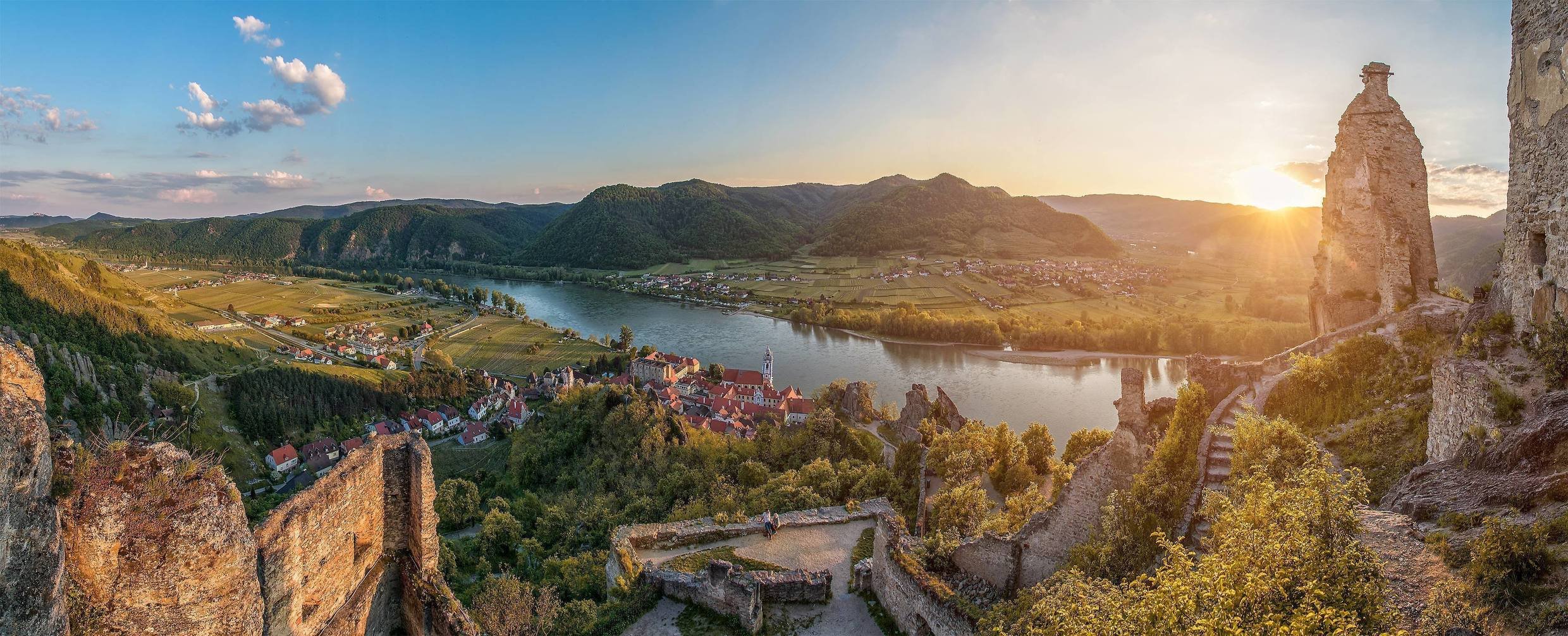
Burgruine Dürnstein
It's #WahrzeichenWednesday again and today we're completing the first round of the series with a trip to #Dürnstein in Austria's ninth federal state of Lower Austria #Niederösterreich. Located in the #Wachau, a stretch of Danube river valley designated by #UNESCO as a World Cultural Landscape, Dürnstein is known for its wine #Weinberge, the iconic, blue Dürnstein Abbey, and the ruins of the Dürnstein castle that overlooks the city below.
In fact, the city derives its name from the castle, which was named after the "dry stone" (German dürr + Stein) on which it was built around 1150. Dürnstein remains perhaps most famous for what happened about 42 years later in 1192 when King Richard of England, the Lionheart, was captured by Duke Leopold V of Austria on Richard's return from the Third Crusade. Duke Leopold V held King Richard for four months in Dürnstein castle, for which Leopold V was later excommunicated by Pope Celestine III for imprisoning a fellow crusader.
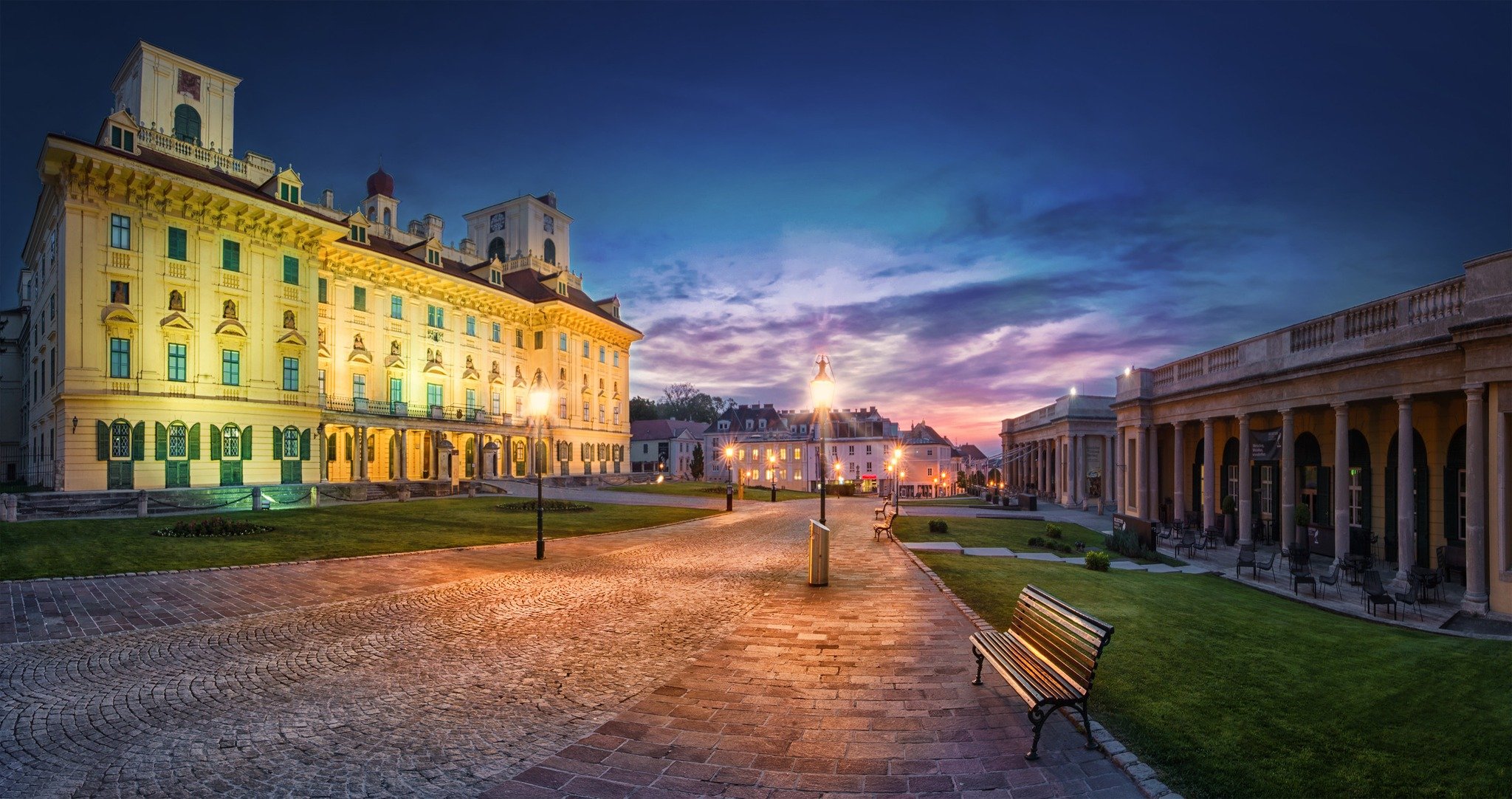
Schloss Esterhazy
This week's #WahrzeichenWednesday features Schloss Esterhazy @esterhazy.at in Eisenstadt, the capital of #Burgenland, Austria's easternmost province. Built in the 13th century, the palace became a residence of the noble and influential Esterhazy family in the 17th century. The palace is known in particular for the #Haydnsaal, a world-class concert hall, used by Joseph Haydn himself while he served as the #Esterhazy family's Kapellmeister in the 18th century (see photo 3). One of the largest palaces in Austria today, Schloss Esterhazy and its grounds are a local #Wahrzeichen. See photos 2 and 7 for paintings of the palace and its grounds in the early 19th century as well as photo 5 for a stamp from 1962, documenting Schloss Esterhazy's enduring place in Austrian memory culture.
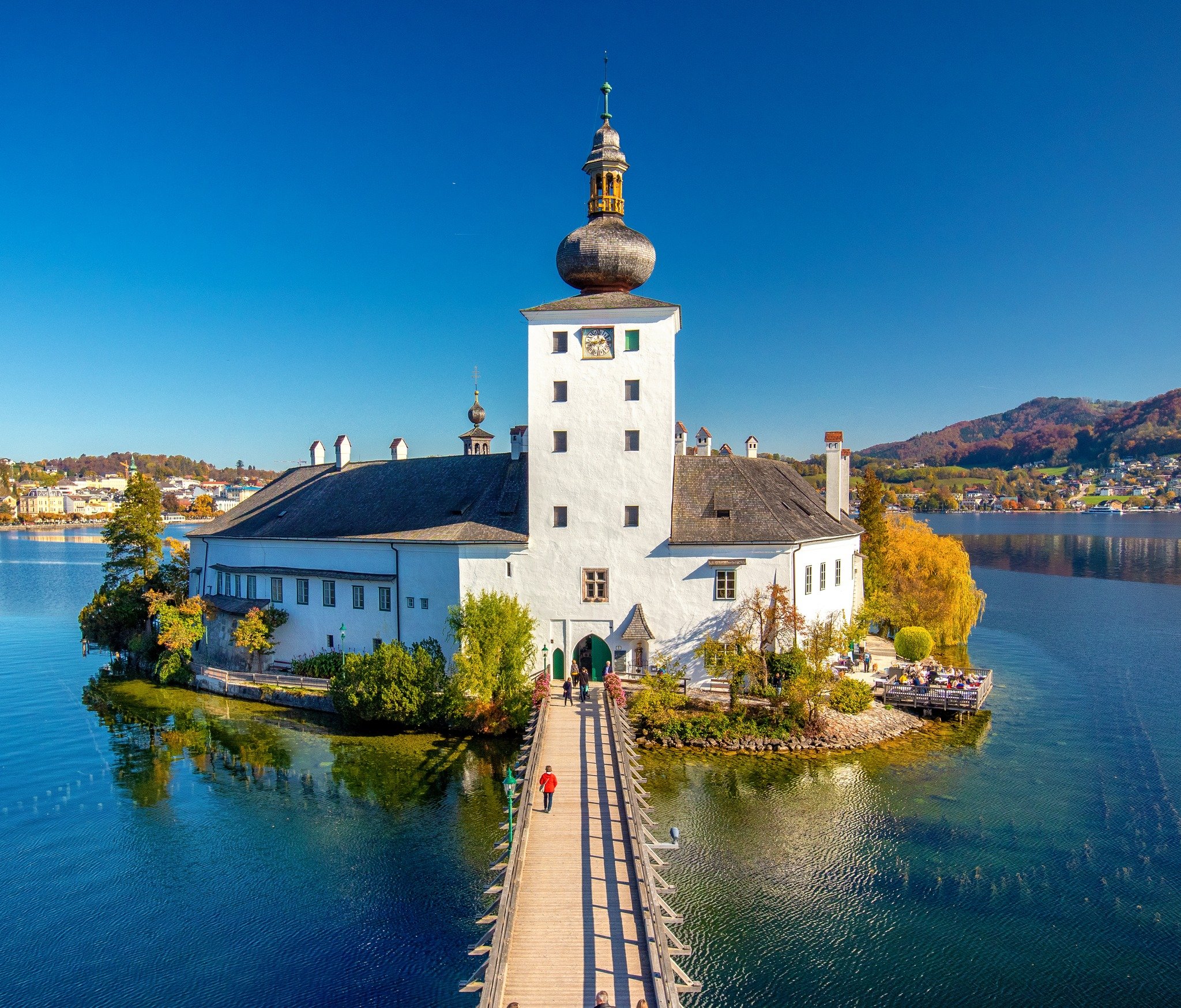
Schloss Orth
It's #WahrzeichenWednesday and this week we're headed to Schloss Orth in Upper Austria #Oberösterreich. The castle is renowned in part due to the co-produced Austrian-German television series "Schlosshotel Orth" (1996-2004) about a fictional hotel of the same name. While the actual Schloss Orth did serve as the backdrop for the television show, it was never actually a hotel. Built in the tenth century on Traunsee lake in Gmunden, the castle was rebuilt in its current form after a fire in 1626. See photo 3 for a sketch from 1656 by Matthäus Merian. Besides being a local #Wahrzeichen, Schloss Orth, or Gmunden and Traunsee more generally, serves as a gateway the Salzkammergut region, a UNESCO World Heritage Cultural Landscape with gorgeous Alpine lakes, imposing mountains, and excellent hiking.